
Creating a successful casino website involves a blend of strategic planning, compliance with regulations, and a focus on user experience. This case study outlines the key steps taken to develop a robust online casino platform, betninja.uk.net illustrating the critical considerations and technologies involved.
Step 1: Market Research and Planning
Before embarking on the development of the casino website, thorough market research was conducted. This included analyzing competitors, identifying target audiences, and understanding the legal landscape of online gambling. The research revealed a growing demand for mobile-friendly casino experiences and a preference for live dealer games. Based on this information, a business plan was drafted, outlining the unique selling propositions (USPs) such as a diverse game library, attractive bonuses, and a user-friendly interface.
Step 2: Legal Compliance
Gambling laws vary significantly across jurisdictions, necessitating careful navigation of legal requirements. The next step involved obtaining the necessary licenses to operate legally in targeted markets. This included engaging with legal experts to ensure compliance with regulations such as age verification, responsible gambling measures, and data protection laws. Licensing not only legitimizes the casino but also builds trust with potential players.
Step 3: Platform Development
The technical development of the casino website required the selection of a reliable software provider. After evaluating several options, a partnership was formed with a reputable gaming software company known for its secure and scalable solutions. The website was built using a combination of HTML5 for front-end development and robust back-end systems to handle transactions and user data securely.
Step 4: Game Selection
A diverse and engaging game library is crucial for attracting and retaining players. The website featured a mix of classic casino games such as slots, blackjack, and roulette, alongside innovative live dealer games. Partnerships with multiple game developers ensured a wide variety of high-quality games. The integration of a random number generator (RNG) was also essential to guarantee fairness and transparency.
Step 5: User Experience and Design
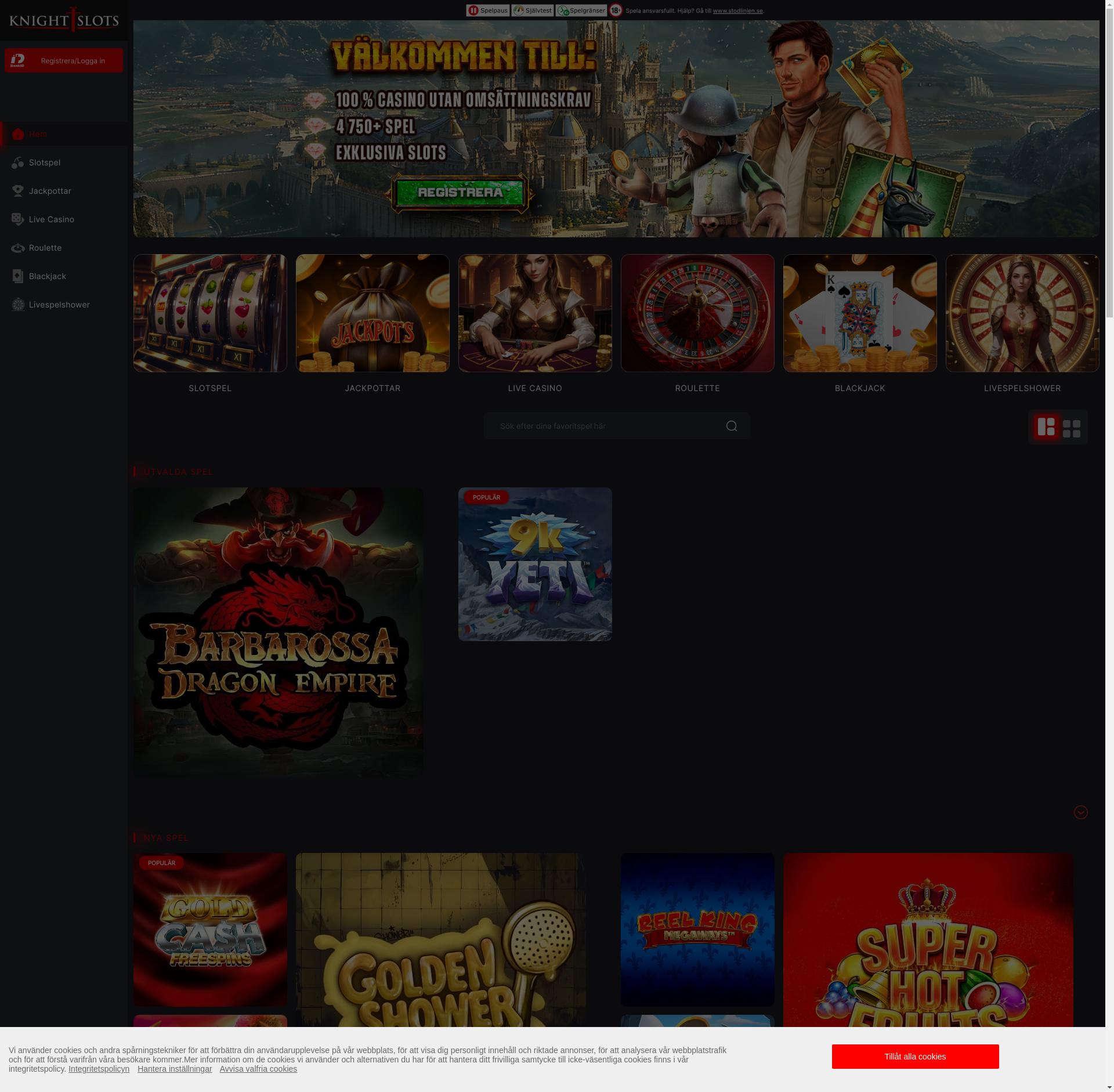
The website’s design focused on creating an intuitive user experience. A clean layout with easy navigation was prioritized to help users find their favorite games quickly. Mobile optimization was a key component, as a significant portion of users access casinos via smartphones. The design also included engaging visuals, a responsive interface, and fast loading times to enhance user satisfaction.
Step 6: Marketing Strategy
Once the website was ready to launch, a comprehensive marketing strategy was implemented. This included search engine optimization (SEO), pay-per-click (PPC) advertising, and social media campaigns to drive traffic. Additionally, an attractive welcome bonus was offered to entice new players. Affiliate marketing partnerships were established to broaden outreach and increase visibility.
Step 7: Continuous Improvement
Post-launch, the focus shifted to continuous improvement based on user feedback and analytics. Regular updates to the game library, enhancements to user interface, and the introduction of new features were implemented to keep the platform fresh and engaging. Monitoring user behavior and preferences allowed for targeted promotions and personalized experiences.
In conclusion, building a successful casino website requires a strategic approach encompassing market research, legal compliance, technological development, and ongoing user engagement. By prioritizing these elements, the casino not only attracted a loyal player base but also established itself as a reputable player in the online gambling industry.