En Frumzi Casino, en España, estamos a punto de embarcarnos en una emocionante aventura donde el lujo se fusiona con la adrenalina del juego. ¿Sientes la excitación? Mesas de grandes apuestas te esperan, poniendo a prueba tu estrategia e ingenio. Las tragaperras te deslumbrarán, cada giro te acercará un paso más a un premio glorioso. Imagínate rodeado de la vibrante energía de los juegos con dealer en vivo, con promociones únicas que te invitan a disfrutar al máximo. ¿Cuál es tu próximo movimiento?
Descubre el encanto de la sala de juegos de Frumzi.
Imagínese adentrarse en un mundo donde la opulencia y la emoción se fusionan a la perfección, pues eso es precisamente lo que encontramos en la espectacular sala de juegos de Frumzi. Al cruzar la entrada, el suntuoso ambiente nos envuelve, y su grandeza se hace patente en cada detalle meticulosamente elegido. Lámparas de araña brillantes, alfombras mullidas y diseños exquisitos intensifican la sensación de exclusividad. El ambiente dinámico es palpable, resonando con una sinfonía de vivas conversaciones y el cadencioso repiqueteo de las fichas de juego. Es un paraíso para quienes buscan algo más que una simple noche de diversión: una experiencia de lujo combinada con emoción. Juntos, nos deleitamos en este entorno emocionante, donde cada momento estimula nuestros sentidos, invitándonos a disfrutar de una experiencia que derrocha pericia y sofisticación.
Descubre la emoción de los juegos de mesa de alto riesgo.
Mientras disfrutábamos del vibrante ambiente de la sala de entretenimiento de Frumzi, algo más seductor nos aguarda: un universo donde la destreza se une a la emoción y las riquezas se ganan o se pierden en un abrir y cerrar de ojos. Visualice: la elegante sofisticación de los juegos de mesa de grandes apuestas, donde cada jugada importa y la promesa de triunfo es tentadora. Aquí, perfeccionamos nuestra táctica de grandes apuestas y profundizamos en la mentalidad de las apuestas, asegurándonos de que cada decisión sea tan meditada como audaz.
- El giro de la ruleta
- La intensidad del póker
- Duelo de Blackjack
¡Aprovechemos la adrenalina y mejoremos nuestra maestría en los juegos electrónicos!
Disfruta de la variedad de tragaperras.
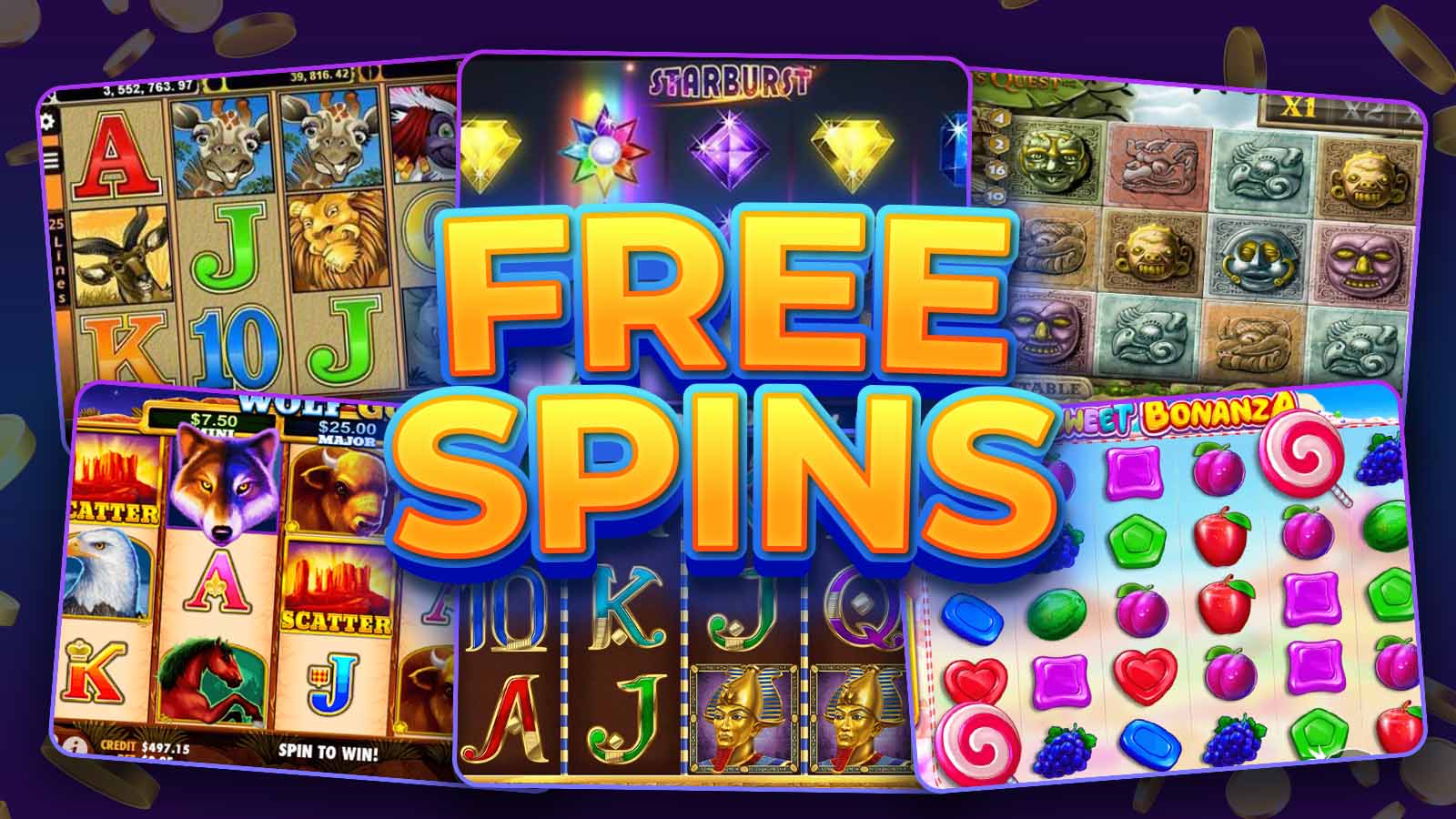
Sumérgete en el fascinante universo de Frumzi Casino, donde una brillante gama de tragaperras te aguarda para atraparte y fascinarte. Aquí, te sumerges de pleno en un océano de emoción con cada giro, y su encanto es innegable. ¿Estás preparado para dominar los rodillos? Imagina la adrenalina de las tragamonedas temáticas, cada una con sus relatos únicas y gráficos vibrantes, que te llevan a territorios mágicos. Pero son los botes progresivos los que realmente encienden nuestra ansia de dominio; aumentan con cada giro hasta que un participante afortunado se gana el premio mayor. En Frumzi, el triunfo está a solo un vuelta de alcance, y la variedad de máquinas asegura que nunca te aburrirás. ¡Juntos, comencemos este apasionante aventura y obtén el gran premio!
Interactúa con dealers reales en juegos en vivo.
Si bien la adrenalina de girar los rodillos de las tragamonedas nos electriza, en Frumzi Casino nos espera una experiencia inmersiva donde podemos interactuar directamente con crupieres reales en juegos en vivo. Esta experiencia con crupier en vivo nos permite sumergirnos en un mundo de interacción en tiempo real donde cada carta repartida y cada giro de la ruleta se sienten individuales, verdaderos y apasionantes. No se trata solo de jugar; se trata de perfeccionar el arte con un toque humano. Imagínese:
- Duelo con dealers profesionales para perfeccionar nuestras habilidades.
- Chat dinámico que potencia la experiencia de juego, ofreciendo recomendaciones y apuntes ingeniosos.
- Entornos vibrantes que nos trasladan a las clásicas salas de casino directamente desde nuestras pantallas.
Únete a nosotros en Frumzi Casino y desarrolla tu habilidad en el juego a través de interacciones verdaderas y cautivadoras con crupieres reales.
Descubre promociones y recompensas exclusivas.
En Frumzi Casino, nos espera una experiencia apasionante con promociones y recompensas exclusivas que incrementarán enormemente nuestra aventura de juego. Estas promociones promocionales están pensadas para quienes maximizamos cada giro y apuesta. Visualiza disfrutar de incentivos especiales que mejoran nuestro juego y elevan nuestras oportunidades de obtener grandes premios. Y aún hay más con las recompensas por lealtad: pensadas para honrar nuestro compromiso con la perfección, estas recompensas reconocen nuestra dedicación, ofreciendo premios que convierten cada visita en una oportunidad especial. Al integrarte a nosotros, inicias un camino donde la maestría no es solo una meta, es nuestro objetivo. Saca el máximo provecho de cada momento en Frumzi, donde estos beneficios personalizados hacen que tu experiencia de juego sea inolvidable y recompensante.
Preguntas comunes
¿Cuáles son son los requerimientos de edad para poder entrar en el casino Frumzi en España?
Analicemos los requisitos de años en Frumzi Casino en España. No debemos pasar por alto la relevancia de la comprobación de años, ya que es fundamental para cumplir con la regulación legal. Comprendemos que te emociona gozar de los apasionantes juegos y ganar grandes premios, y https://www.crunchbase.com/organization/8-nines-consulting garantizar de tener la mayoría de edad, es decir, 18 años, es el primer paso. No es solo una norma; es parte fundamental de un juego responsable y emocionante.
¿Hay que pagar alguna entrada para entrar al casino?
Al evaluar los requisitos de acceso al Casino Frumzi, tenemos excelentes noticias: ¡no hay cuotas de entrada! Podemos disfrutar de una experiencia de juego de lujo sin costes escondidos que nos desalienten. ¿No es emocionante conocer que nuestro camino hacia la potencial riqueza inicia sin obstáculos económicas? Esta entrada libre asegura que podamos concentrarnos en disfrutar al máximo cada instante y, con suerte, ¡obtener premios increíbles!
¿Existe un código de vestimenta que los huéspedes deban cumplir en el casino Frumzi?
Al visitar el Casino Frumzi, respetar el código de ropa es fundamental para sumergirse por completo en su elegante entorno. Si bien no hay un código estricto, se sugiere llevar vestimenta elegante pero casual para disfrutar al máximo de la vivencia. Esto implica un conjunto chic, pero cómodo, que te deje integrarte sin dificultad en el elegante entorno. ¡Acojámonos con elegancia y garanticemos de que nuestra ropa esté a la altura de gov.uk la emoción de los juegos!
¿El casino Frumzi dispone alojamiento para pernoctar?

¡Explora en el vibrante mundo del Casino Frumzi! Estamos al tanto de tu interés por el alojamiento. Aunque el casino no cuenta con opciones de hospedaje en sus instalaciones, promete que todas tus necesidades estarán satisfechas gracias a sus colaboraciones con lujosos hoteles cercanos. Estos hoteles brindan descuentos únicos al explorar las vibrantes instalaciones del casino. No te pierdas la oportunidad de gozar tanto de la excitación del juego como de una permanencia confortable. ¡Crea recuerdos imborrables con elegancia y confort gracias al excepcional alojamiento de Frumzi!
¿Cómo puedo llegar al casino Frumzi en transporte público?
¡Conoce las óptimas rutas de transporte urbano para llegar al Casino Frumzi! Con diversas paradas de autobús próximas, llegar es muy fácil. Piensa en descender del autobús y que la emoción esté a solo unos pasos. Las rutas de autobús están pensadas para tu confort, prometiendo que arribes de forma veloz y sin complicaciones. Ven con nosotros y experimenta este mundo de entretenimiento, donde el viaje es tan vibrante como el sitio. ¿Dispuesto para la aventura?